How to Create a College List
Building a college list is one of the most critical parts of the college application process, ensuring that college doesn’t turn into a $200,000 mistake.


Building a college list is one of the most critical parts of the college application process, ensuring that college doesn’t turn into a $200,000 mistake.

While the benefits of a college education outweigh the costs by a lot, the cost is daunting. Here are six tips on how you can cut the cost of college by tens of thousands of dollars.

Career centers on campus are an under-utilized resource. They can make the difference between an education that pays off vs. one that doesn’t.
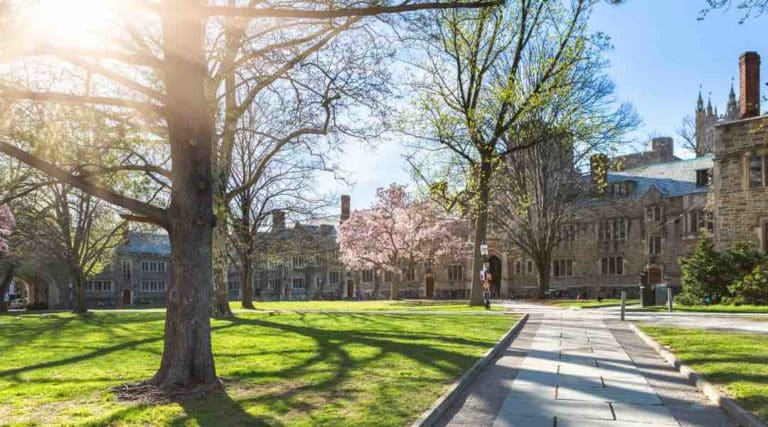
College admissions isn’t just about getting in, it’s about finishing and thriving in life. That’s why it matters that you find a great fit college.

Visiting colleges can be expensive. Between airfare or gas, hotel rooms, rental cars, parking and food, you could end up spending thousands of dollars. So before you fly, travel in the virtual world. College virtual tours can be a great way to screen colleges and find your fit.

The Coalition Application is one of the biggest changes in the college application process this year. Here’s what it means for you.

College is a consequential decision, and the admissions process can be complex and stressful. To give families a head start, we at LifeLaunchr compiled this selection of insider tips from college admissions counselors in the country – people who have helped thousands of students find and get into great-fit schools.

Parents I speak to often ask “What’s the best university to study engineering?” or “Where is the best place for my daughter to study biomedicine?” There are many ways to answer this question. The answer I always give is: “It depends on your child.” I tell them to focus on fit, not rank.

For teens starting out in life after high school, or parents helping them, remember: your first gig after college doesn’t have to be your final “true passion,” but it does have to pay the bills so you can keep searching. So find a way to balance pragmatism and passion in your choice of college and major.

Fewer than 50% of college-bound students graduate within six years, according to the U.S. Department of Educations’ College Scorecard. A mentor can help students develop a deeper sense of their personal needs and goals; develop a sense of possibility; and provide guidance with college admissions throughout the process.